
Smart Machines Real Results
Supports
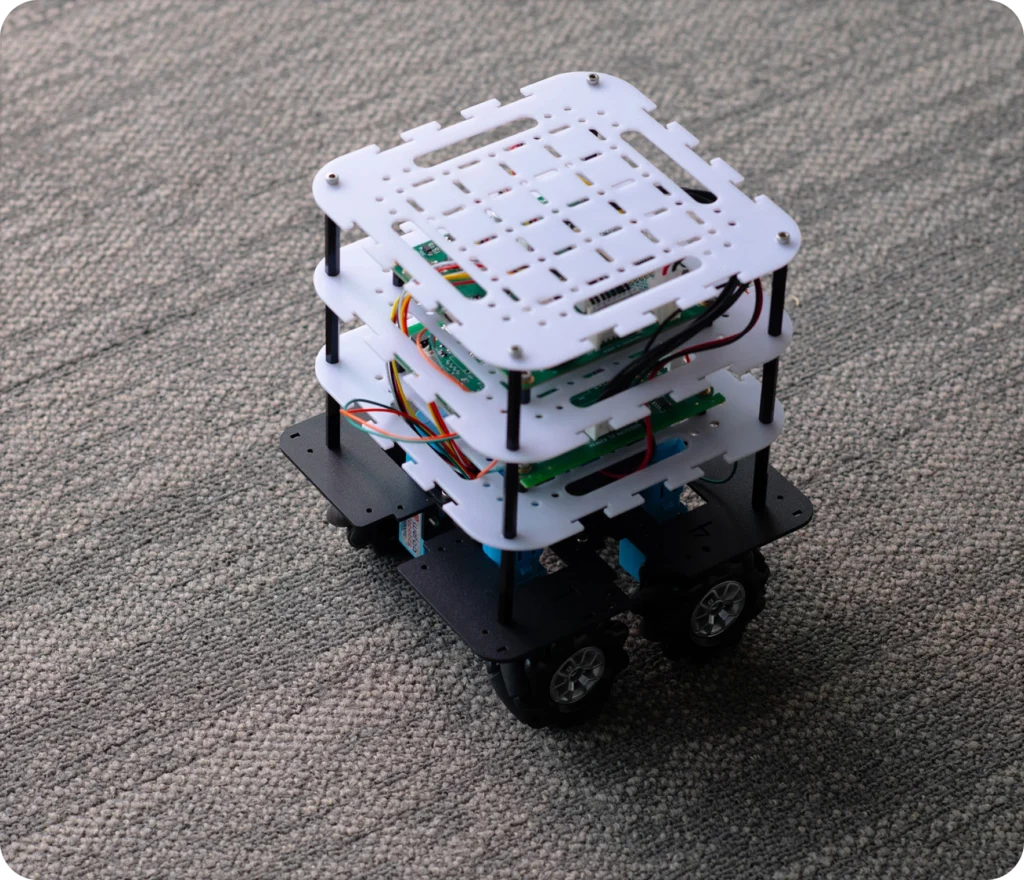
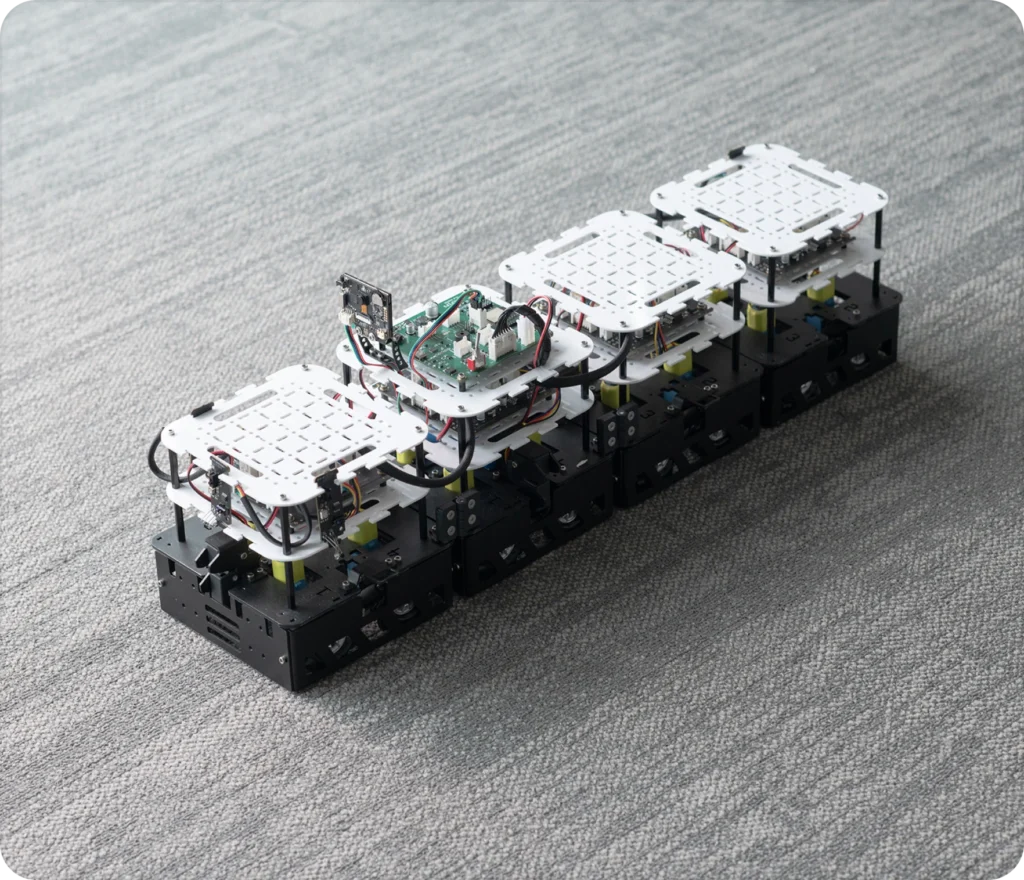
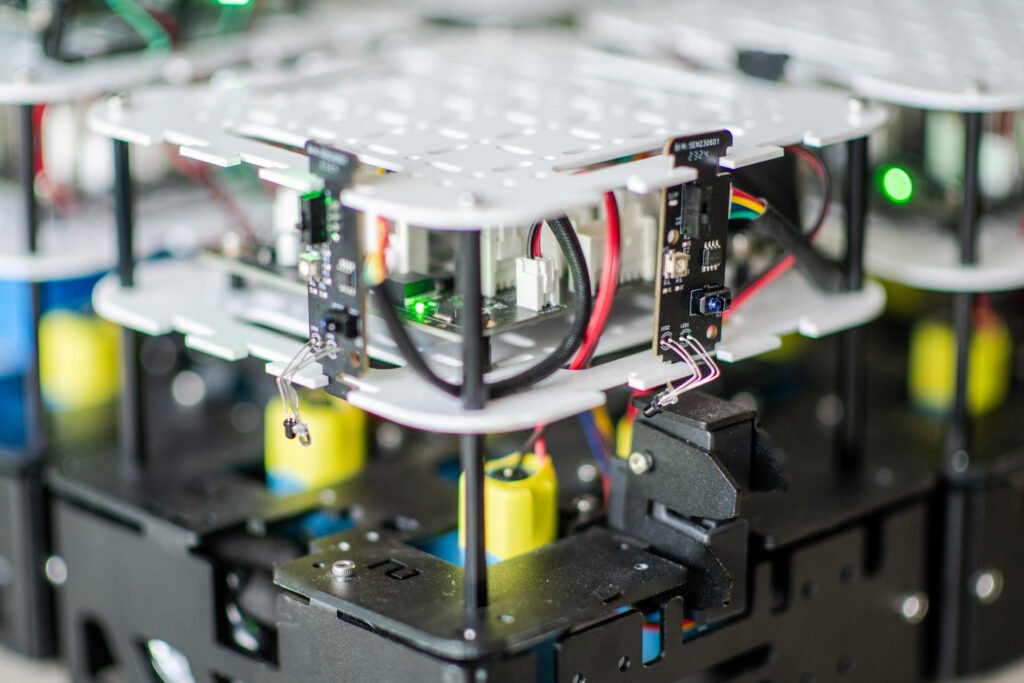
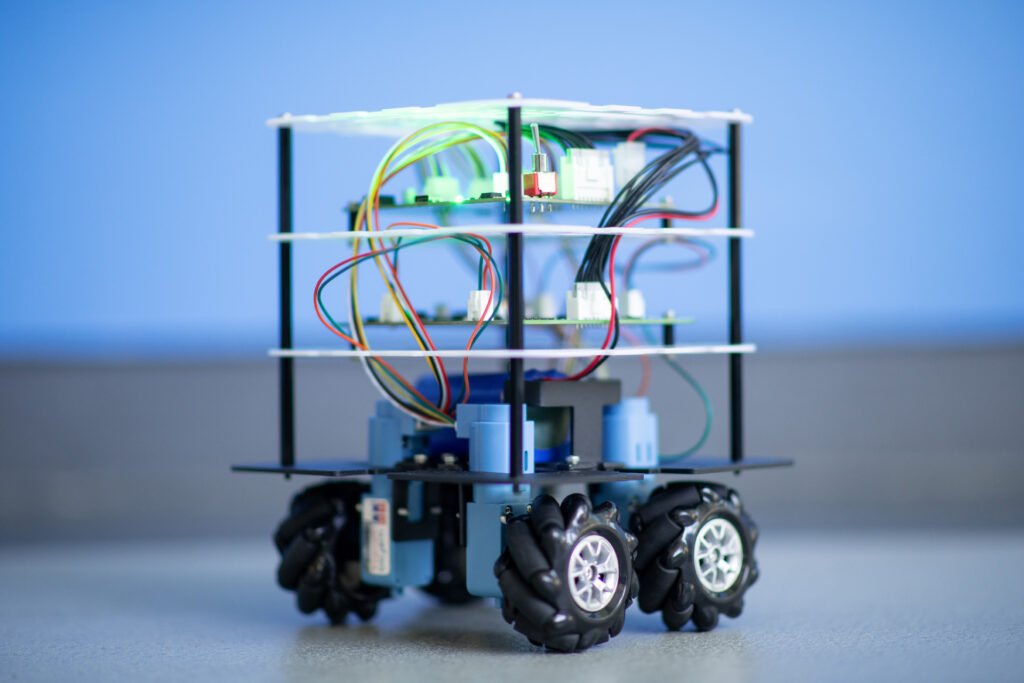
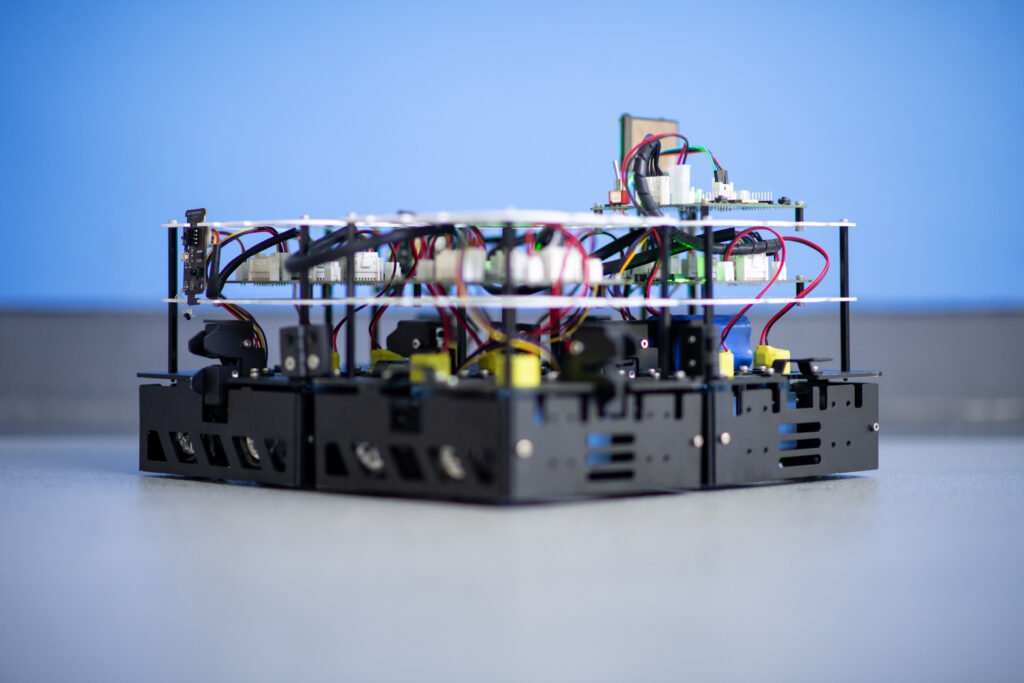
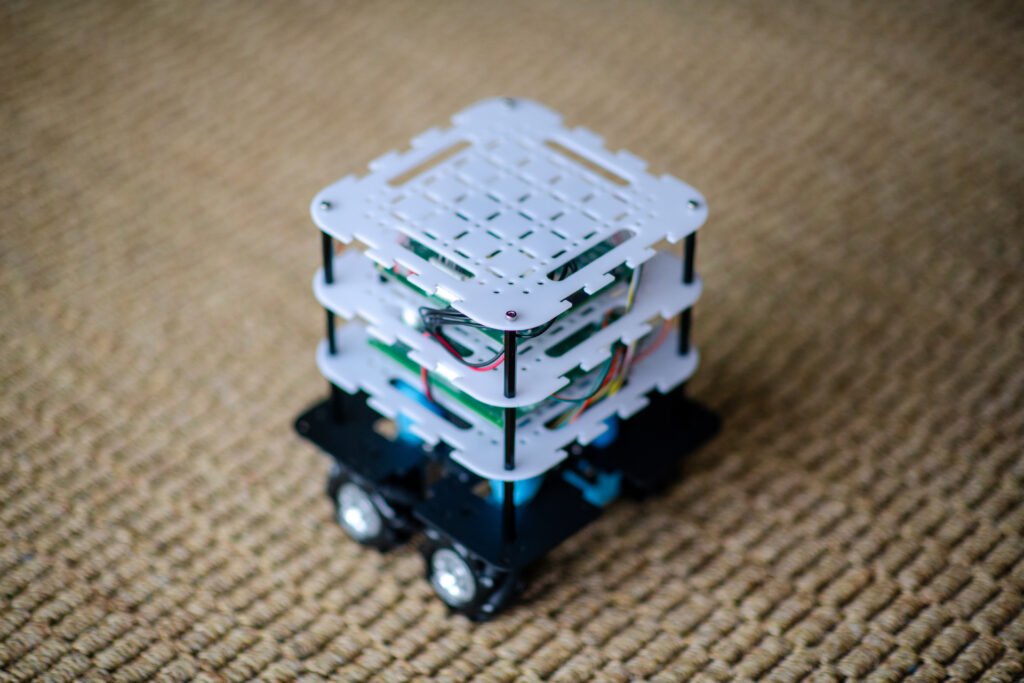
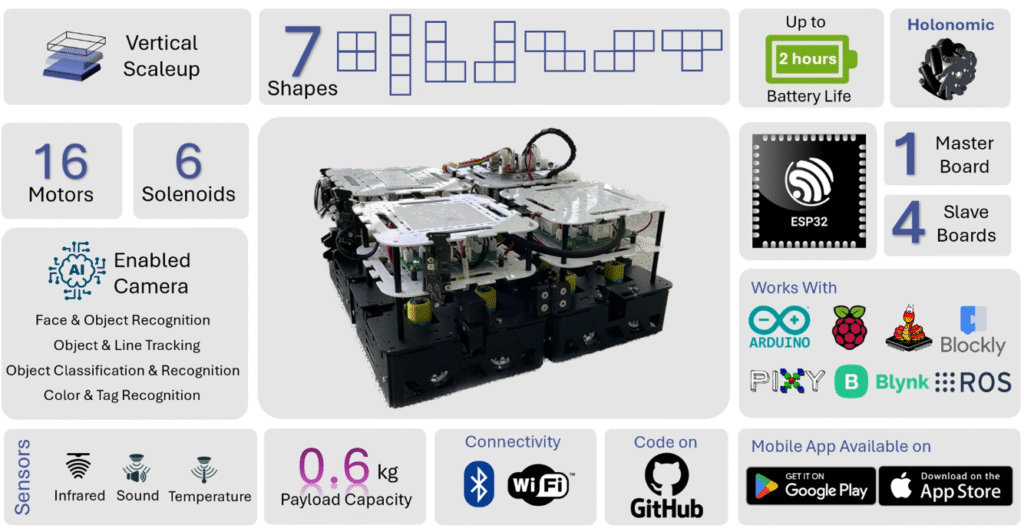
Reconfigurable Forms
- Single to Many Hinged Units
- 7 Tetris Shapes
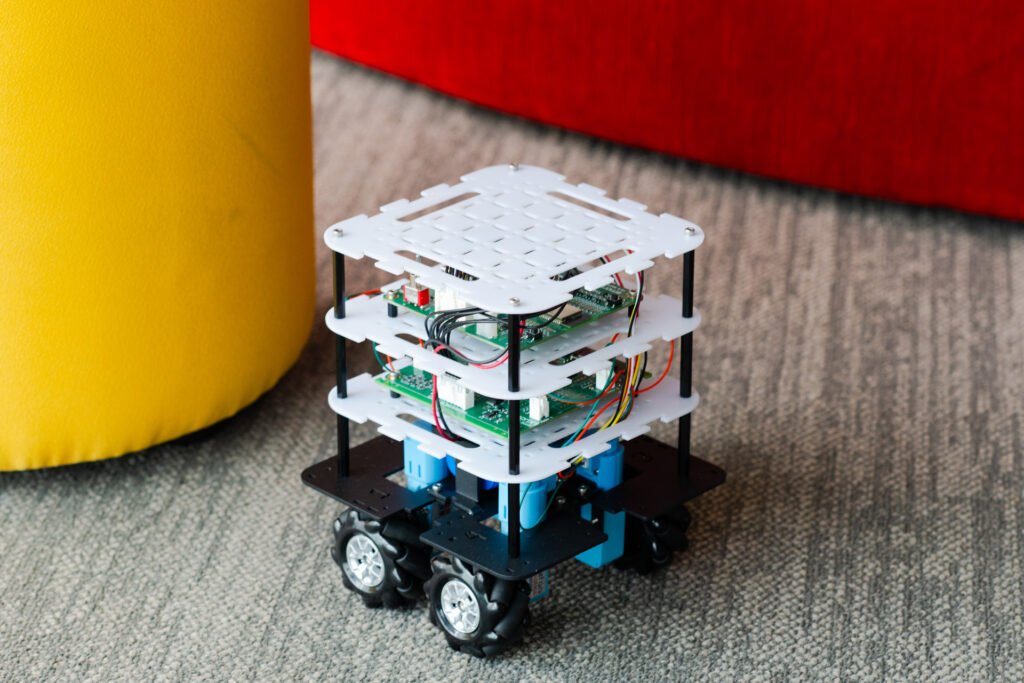
- Vertically Stackable Modular Design
- Simple to Sophisticated Components
- Nested Reconfiguration Enabled
Suitable for All Learning Settings
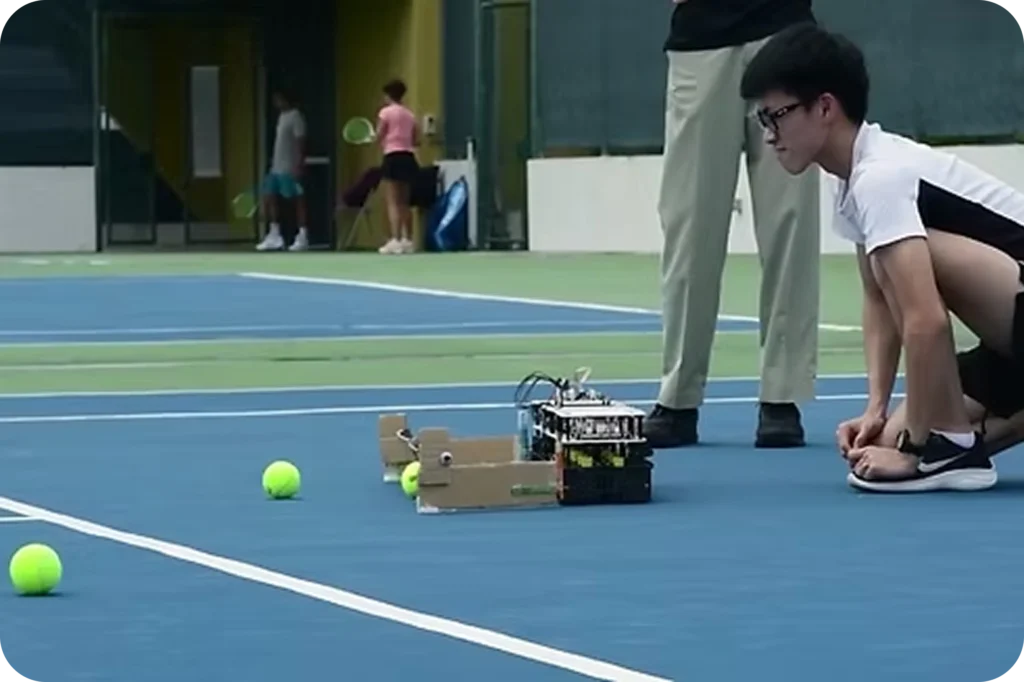
Smorphi robots are designed to operate in dynamic, real-world environments where adaptability matters most. Whether navigating open spaces, testing movement strategies, or performing task-based demonstrations, the robot adjusts its structure to meet the challenge.
- Design Projects
- Weekly Lessons
- Lab Experiments
- Summer/Winter Camps
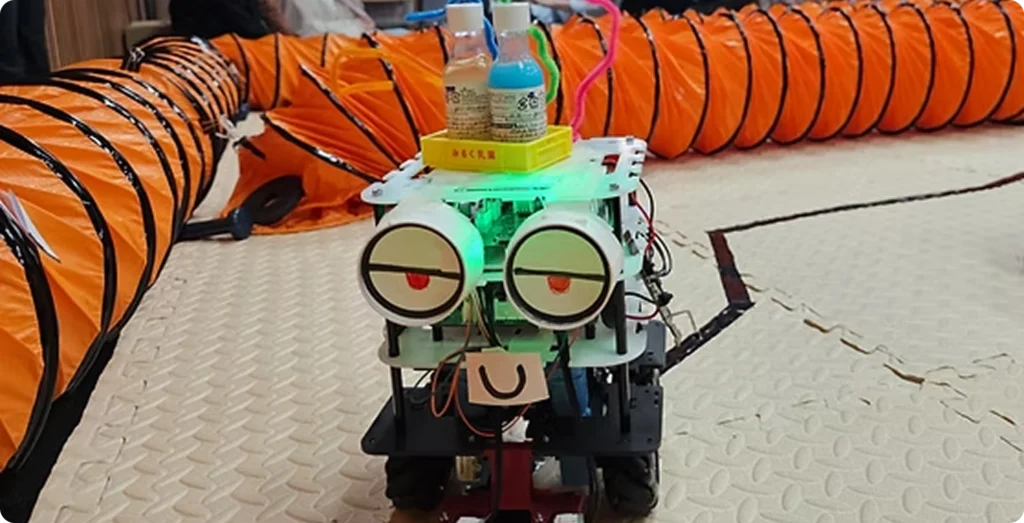
Compact Design
Smorphi robots are engineered with a space-efficient structure that balances performance and portability. The compact design makes the robot easy to deploy, transport, and operate while maintaining stability and functional versatility across learning and testing environments.
- < 2 Kg for Smorphi
- < 5 Kg for Smorphi2
- Portable Packaging
Affordable Price
Wefaa Robotics ensures advanced robotics learning remains accessible without compromising on quality or capability. Our cost-effective design allows institutions and learners to adopt powerful robotics solutions within realistic budgets.
- Modular Pricing Options
- Open-Source Learning Materials
- Open-Source Software
- Affordable Accessory Options
Suitable for All Ages
Smorphi robots are designed to grow with the learner, supporting beginners as well as advanced users. From young students exploring basic robotics to researchers working on complex systems, the platform adapts to every learning stage.
- K12 Institutions
- Polytechnics
- Universitites
- Engineering Companies
- Research Institutes
- Enrichment Centres
- Adult Training Institutes
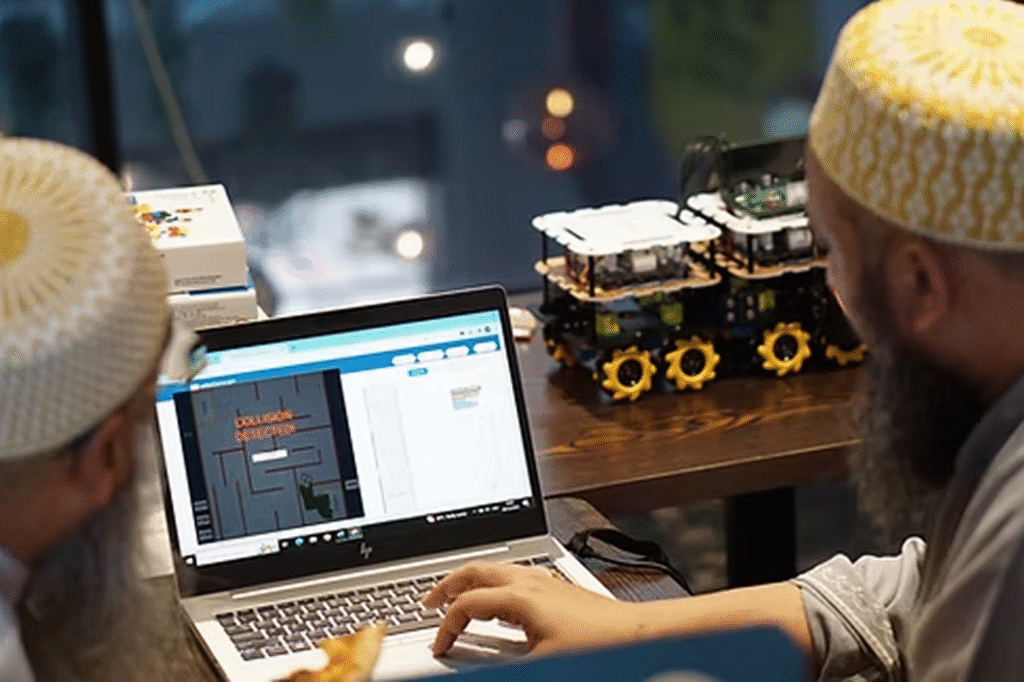
Learning Materials Provided
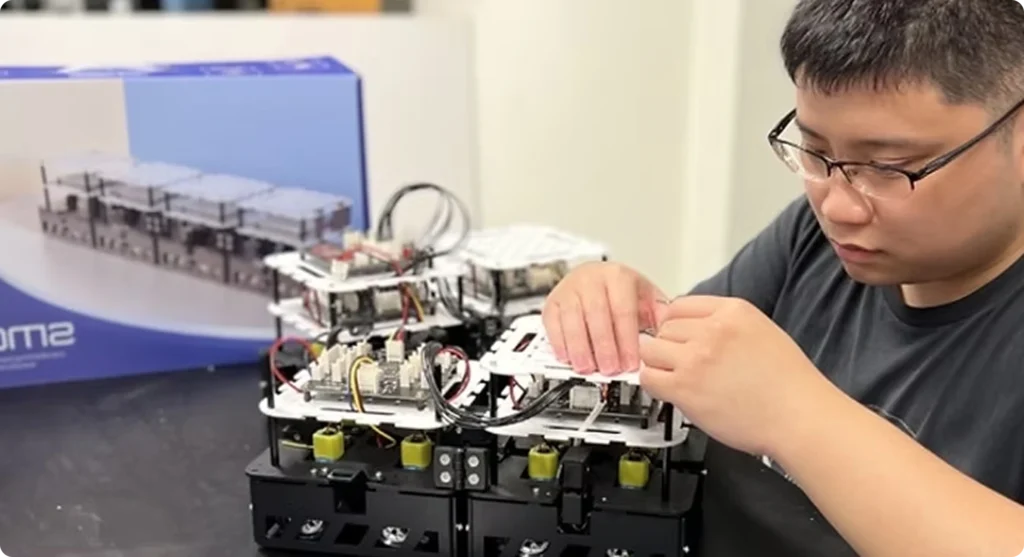
Countries across the continents
Seamless integrations
Our customer support
- Engineering Lab Curriculum On-demand
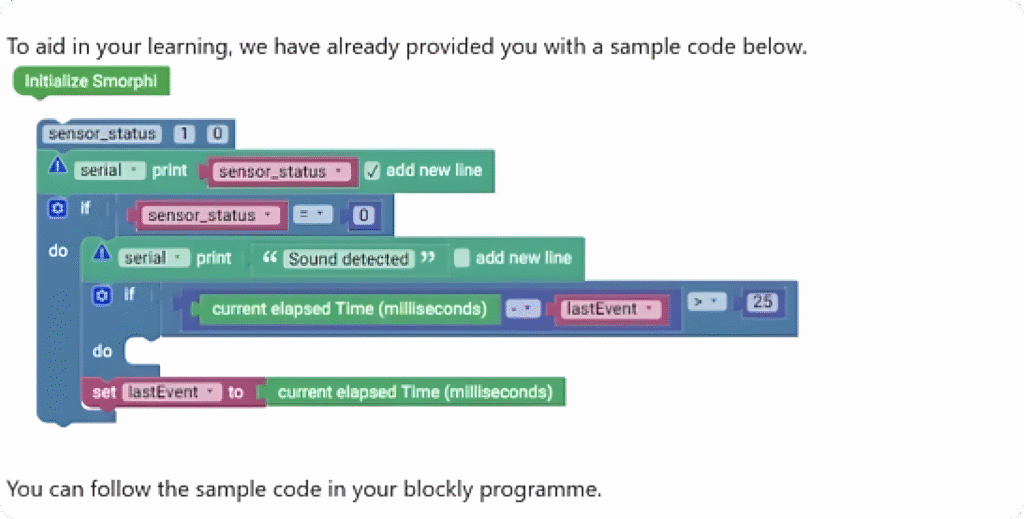
Many Coding Options
Smorphi robots support a wide range of coding methods, allowing learners to program at their own comfort and skill level. From visual blocks to advanced programming, the platform adapts as users progress.
- Blockly Grapihcal Coding
- Python
- C++
- Scratch
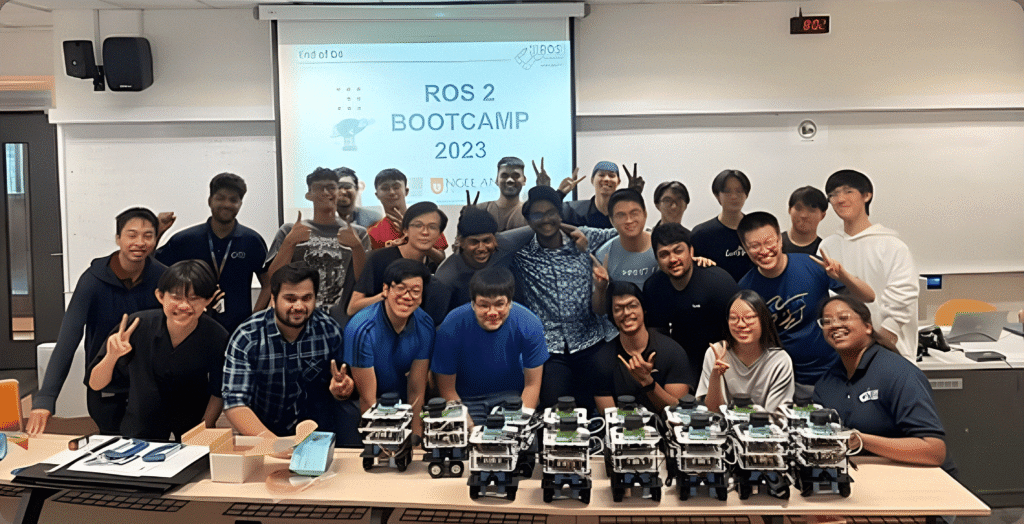
Advanced Research
Wefaa Robotics solutions are designed for collaborative classrooms, workshops, and training programs. The platform supports hands-on learning at scale, enabling multiple learners to work together, experiment, and build real robotics systems in a guided environment.
- ROS-Enabled
- Full Autonomy
- Cloud Robotics
- Computer Vision
- AI Packages Supported
Smorphi Imaginary
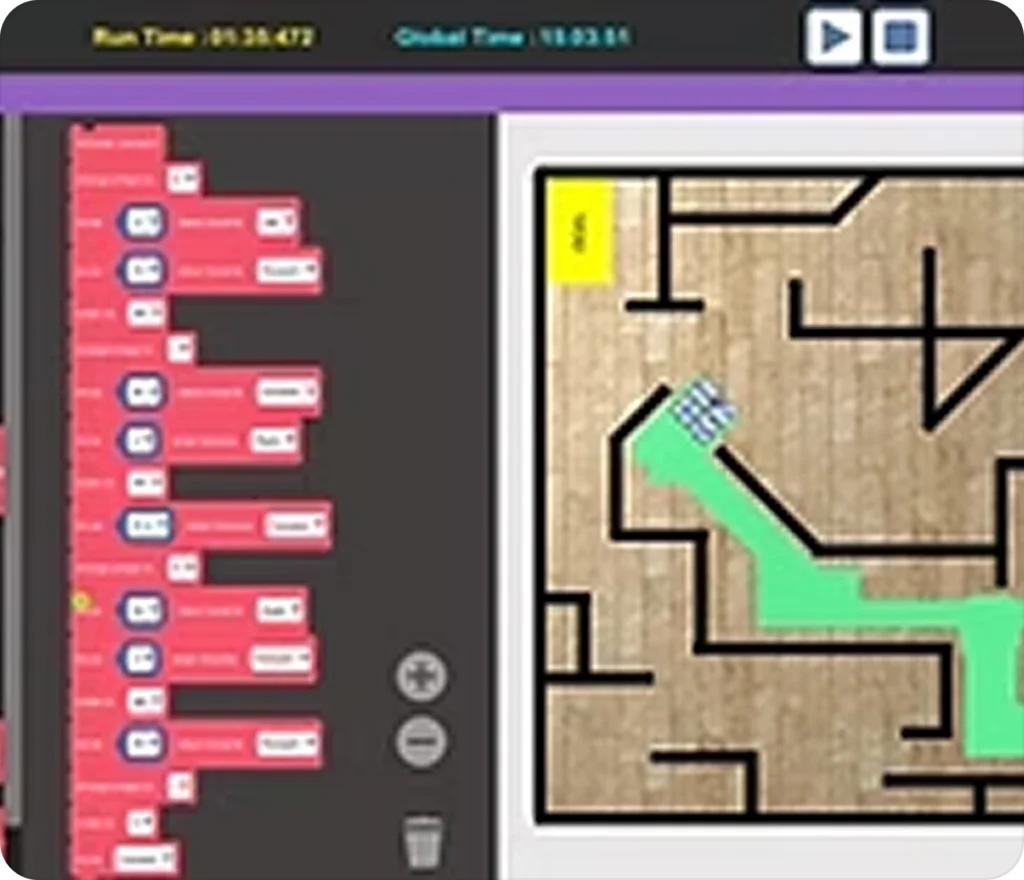
Smorphi Imaginary is a virtual robotics platform that allows learners to explore, code, and experiment with Smorphi robots in a digital environment. It enables robotics learning without physical hardware, making practice and experimentation accessible anytime, anywhere.
- Coding with Virtual Robots
- 10+ Learning Themes
- Affordable Pay Per Use License
- Perfect for Home and School Settings
● FAQ
Frequently Asked Questions
How does Smorphi’s modular design enhance project-based learning?
Smorphi’s modular hardware lets learners quickly reconfigure robot builds for different tasks, promoting hands-on discovery. Instead of fixed designs, students can design, test, and iterate in real time. This flexibility supports project-based outcomes like obstacle courses, mission challenges, and customized robotics tasks. It also encourages experimentation and creative engineering thinking in every session.
Can coding on Smorphi robots transition from block to advanced text?
Yes — Smorphi products support block-based coding for beginners and text-based languages like Python or C++ for advanced learners. This allows students to start with visual logic and move into professional coding as they progress. The seamless transition improves confidence, prepares learners for real-world programming, and supports mixed-level classrooms. Instructors can tailor lessons to each student’s ability.
How do sensors integrate with Wefaa Robotics products for autonomous behavior?
Wefaa’s robotics systems support a range of sensors (e.g., distance, color, line-following, IMU) that connect directly to the robot’s controller. When paired with the platform’s programming interface, these sensors enable conditional logic, object detection, and autonomous navigation. This turns basic robots into smart behavior systems and lets learners experiment with feedback loops, control systems, and real-time decision making.
What are the key differences between physical Smorphi robots and Smorphi Imaginary?
The physical Smorphi robots provide tangible, hands-on manipulation, ideal for classroom labs, competitions, and engineering prototyping. Smorphi Imaginary, on the other hand, is a digital simulation environment where users learn coding concepts and test logic without hardware. Imaginary lets learners experiment safely, faster, and remotely, while physical bots reinforce real-world mechanics and electronics.
How do products on this page support assessment and skill tracking?
Many of Wefaa’s products come with integrated curriculum modules that include checkpoints, task rubrics, and project artifacts. Teachers can assign challenges that require specific coding logic and mechanics, then evaluate performance using captured logs or completed builds. This structured approach enables objective assessment of coding ability, design thinking, and system integration skills over time.
Are Wefaa products compatible with robotics competitions and maker fairs?
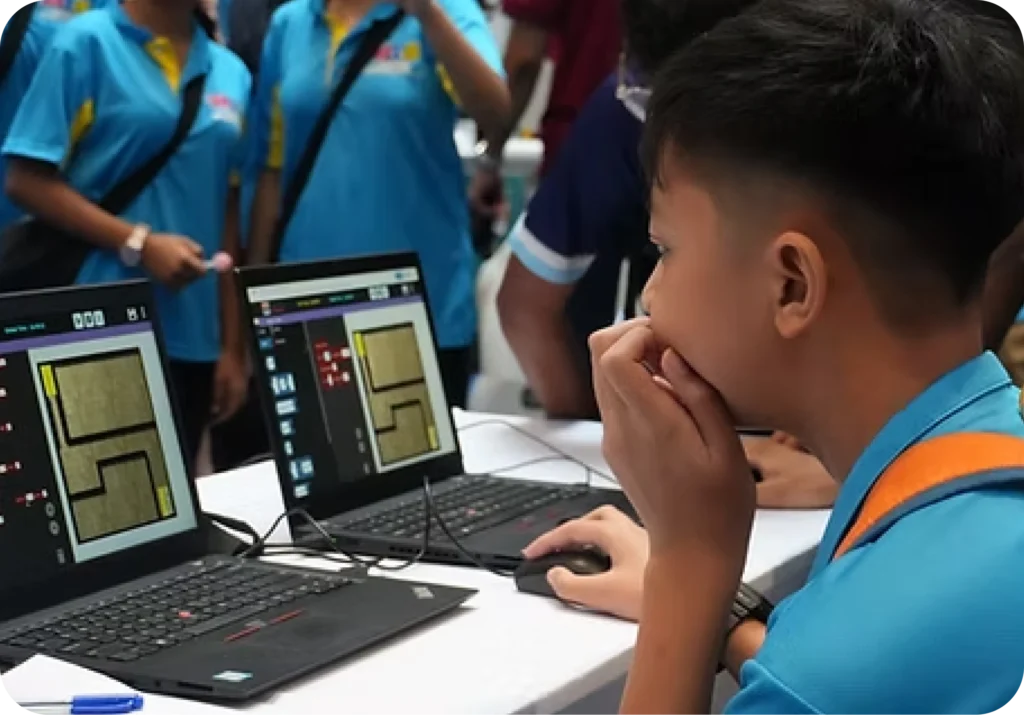
Absolutely — the modular design, multiple coding interfaces, and sensor support make these products ideal for structured robotics events. Smorphi bots have been used in competitive challenges like RoboRoarZ, where performance, precision, and autonomous tasks matter. Their versatility allows teams to customize robots for game objectives and engage in both individual and team categories.